The Evolution of Robot Models in Fallout Games
Intro
The Fallout series has captured the imagination of gamers worldwide, drawing them into a post-apocalyptic landscape where survival hinges on wit, strategy, and sometimes a bit of luck. Within this chaotic world, robots have carved out their own niche, contributing not just as mere machines but as vital parts of the story and gameplay. From the delightful Mr. Handy humming along while cleaning up the wasteland to the menacing Sentry Bots defending their territories with relentless might, each robot model tells its own story, reflecting the broader themes of technology, humanity, and survival inherent in the Fallout universe.
In this exploration, we will take a closer look at how these robotic entities have evolved, both in design and functionality, over the years. By examining key models and their roles in the game, we will uncover their significance beyond just gameplay mechanics. The discussion will span the layers of lore, the innovation in design, and the implications these mechanical beings have on player experience.
So, let's dive into the fascinating world of robots in Fallout, tracing their journey from quaint household helpers to battle-ready automatons, and highlighting why they truly matter in this ever-expanding narrative.
Prelims to Robot Models in Fallout
The intricate world of Fallout is not just characterized by its vast wastelands and post-apocalyptic narratives, but also by the fascinating array of robot models that dwell within it. This section aims to highlight the importance and evolution of these mechanical beings in shaping the gameplay experience and further entrenching the game's lore. The diverse designs and functionalities of robots in Fallout serve not only as engaging gameplay elements but also as a reflection of societal constructs and ethical dilemmas faced in the human-robot interface.
Defining Robot Models
In the context of Fallout, robot models are mechanical creations that serve a variety of purposes, from household assistance to combat support. Most players recognize Mr. Handy as the quintessential household robot, decked out with a smile and a versatile toolkit, juxtaposed against formidable models like the Sentry Bot, encased in heavy armor and designed for warfare.
However, the term 'robot model' encompasses a broader spectrum of entities. Each robotic design comes with its own distinct set of capabilities, aesthetics, and purposes that align with the game's narrative context. These models embody not only function but also the era of technology they represent, combining retro-futuristic elements with the grim reality of a world ravaged by war. Consequently, when we refer to robot models in Fallout, we're discussing an array of creations that bear witness to humanity's ambition, creativity, and downfall.
Historical Context within the Fallout Universe
To truly appreciate the evolution of robot models in Fallout, it is paramount to delve into the historical backdrop of the series. The lore of Fallout creates a rich tapestry, illustrating a world where technology flourished before the Great War. In this pre-war setting, robotic entities were seen as the pinnacle of innovation. Companies like RobCo Industries took a leading role, crafting bots designed for efficiency in domestic and industrial tasks.
As the narrative unfolds, the progression of robot technology intersects significantly with the rise and fall of human civilization. The Great War and its aftermath led to the repurposing of these machines—once symbols of comfort and order—into tools of survival or tools of war. Robots such as the Protectron and the Mister Gutsy, while initially serving as mundane helpers, transformed into critical assets for players maneuvering through the harsh landscape of a post-nuclear world.
"In Fallout, robots are not just mechanical entities; they are the reflection of humanity's choices—our progress and our failures all wrapped in metal and circuitry."
In summary, the robots of Fallout stand as a testament to the interplay of human innovation and the unforeseen consequences of such advancements. They embody the journey of a once-thriving civilization, making the investigation of their design and narrative placement not just interesting but essential for understanding the Fallout universe as a whole.
The Iconic Mr. Handy
Mr. Handy stands as a beacon of the Fallout universe, representing the unique blend of humor, tragedy, and functionality that characterizes robotic models throughout the series. An instantly recognizable figure, this hovering mechanical servant is not just a quaint relic of pre-war optimism but also a reflective commentary on human dependence on technology. With a design that encases a comical exterior, Mr. Handy embodies a range of capabilities—from mundane household chores to engaging in combat scenarios. Its presence in the game evokes nostalgia while allowing players to engage with a robot that manages to be both endearingly clumsy and unexpectedly agile.
Design and Features
The design of Mr. Handy is a fusion of retro-futuristic aesthetics and practical functionality. Sporting a spherical head equipped with a cheerful yet somewhat sinister smile, he is adorned with a pair of robotic arms that can interchange utilities, such as saw blades and flamethrowers. This design stands out among other robots in the Fallout universe. His propellers allow him to hover, giving him a unique mobility compared to ground-bound models. The versatility of Mr. Handy's appendages not only serves practical ends but also provides a clear visual representation of the multiple tasks he can handle.
Beyond just appearance, Mr. Handy is equipped with a range of technological features that define his role in the game. He captures a duality in his programming: designed to assist but also able, when provoked, to react with lethal efficiency. This dichotomy serves to remind players of the broader implications of artificial intelligence and automation.
Role in Gameplay
In gameplay, Mr. Handy is not merely a decorative NPC; he plays multifaceted roles that enhance player experience. As a companion, Mr. Handy provides essential support, carrying weapons, and items, or even assisting in combat scenarios. His presence can help navigate tougher encounters with enemies, making him a reliable ally in a harsh post-apocalyptic world.
Furthermore, he weaves seamlessly into the narrative, guiding players with quirky dialogue and occasional lore references, deepening their engagement with the game’s rich backstory. When players encounter Mr. Handy, it’s not just a chance to gather supplies, but also an opportunity to glean snippets of history from before the apocalypse. This instills a sense of continuity within the game’s universe, connecting players to the remnants of the world that once was.
Cultural Impact
Mr. Handy transcends the boundaries of the Fallout games, becoming a cultural icon recognized beyond the player base. His playfulness mingles with eeriness, making him a subject of memes, fan art, and discussions across various platforms like Reddit and Twitter. The character has been pivotal in shaping the perception of robots in gaming, standing as a contrast to the menacing portrayals often seen in other titles.

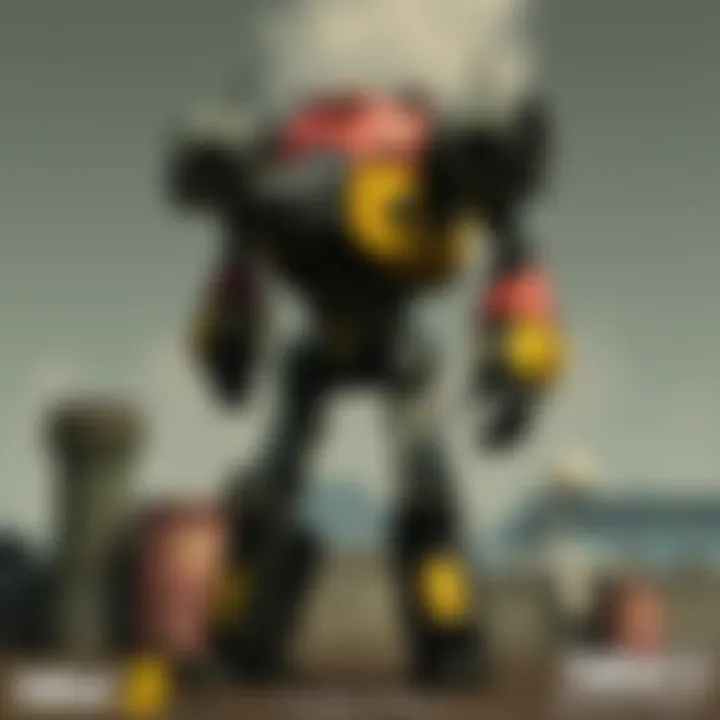
Through his unique personality and design, Mr. Handy prompts a reflection on humanity's relationship with technology. The dichotomy of care and destruction encapsulated in a single robot mirrors societal anxieties regarding automation and AI. This makes him more than just a quirky companion; he serves as a relevant critique on our future with robotics.
As the gaming landscape progresses, the legacy of Mr. Handy continues to influence new games and narratives, making him a staple in discussions regarding robot design in video game history.
"In a world ravaged by war, Mr. Handy offers a glimpse of the innocence lost and the humor hidden within devastation."
Overall, the significance of Mr. Handy in Fallout cannot be overstated. It showcases how intricately woven robotic models can reflect the complex themes of the human experience, making players ponder not only the fate of the wasteland but also their future with similar technologies.
Advanced Combat Bots
In the myriad of robotic designs found throughout the Fallout series, Advanced Combat Bots hold a special place. They are not just a visual spectacle on the battlefield; they represent a significant evolution in both the lore of the game and its underlying mechanics. Designed with deadly efficiency in mind, these bots serve as a key component in the power dynamics of the wasteland. Their capability to battle against player characters and NPCs alike enriches the gameplay experience, challenging gamers to adapt their strategies and rethink their approaches to combat.
Overview of Combat Models
When discussing Advanced Combat Bots, it’s essential to set the stage by recognizing the various combat models introduced throughout the series. Each model possesses unique attributes that cater to different play styles and combat scenarios.
- Protectron Bots serve as initially simplistic security robots but evolve into more formidable adversaries in later versions. They may lack the firepower of their advanced counterparts but make up for it with sheer numbers.
- Sentry Bots, known for their heavily armored chassis and devastating flamethrowers, are a staple in high-risk locations. They are designed to patrol areas and eliminate threats.
- Assaultron Bots represent the pinnacle of combat efficiency. Equipped with lethal energy weapons and acrobatic agility, they can close distances quickly and capitalize on opportunities in combat.
These models form a robust backbone for combat scenarios in Fallout, enhancing engagement and immersion.
Sentry Bot Mechanics
At the heart of the Advanced Combat Bots is the Sentry Bot, a behemoth of robotic engineering designed primarily for aerial and ground assault. The mechanics of Sentry Bots make them not only fearsome foes but also an experience to study. Their attributes include:
- Armor: Thick plating that can absorb a considerable amount of damage before going down, forcing players to consider heavy artillery or sneak tactics.
- Weaponry: Typically armed with dual miniguns or plasma canons, these weapons have a high rate of fire and devastating impact, making even the most armored players think twice about charging in.
- AI Variety: The combat AI in Sentry Bots allows them to adapt; they can learn player strategies and modify their approach, keeping the encounter dynamic.
A common strategy for players encountering Sentry Bots involves identifying environmental advantages, such as cover or elevation, to counter their straightforward aggressive tactics.
Comparison with Other Models
When comparing Sentry Bots with other combat models within the game, a few clear distinctions emerge. While Protectrons may serve a more auxiliary role, Sentry Bots take center stage as frontline combatants. This hierarchy underscores the importance of tactical variety in gameplay:
- Protectron vs. Sentry Bot: Protectrons are often utilized for security duties, whereas Sentry Bots are tailor-made for combat, hence their superior offensive capabilities.
- Assaultron vs. Sentry Bot: Assaultrons may offer greater speed and dexterity, allowing for hit-and-run tactics, but Sentry Bots surpass them in raw firepower and durability.
- Levels of Engagement: While both types of bots engage players in direct combat, the Sentry Bot invites a more structured, strategic approach owing to its considerable threat level.
As players explore the wasteland, these comparisons underline the variety of tactics and styles available, enhancing their overall gaming experience.
"The distinctions between these bots reflect not just their design but also the underlying philosophies of combat in the wasteland—survive, adapt, and overcome."
By examining the sophisticated mechanics and strategic aspects of Advanced Combat Bots, particularly Sentry Bots, players can deepen their understanding of robotic warfare in the Fallout universe. Such robots not only enrich the lore but also enhance gameplay, offering players unique challenges that demand thoughtful engagement.
Robotic NPCs in Fallout's Storytelling
In the expansive universe of Fallout, robotic NPCs aren't simply technical marvels; they serve as vessels of storytelling and character development. From the jovial Mr. Handy buzzing around to the menacing Protectrons on patrol, these mechanical beings add layers of depth to the game's narrative. Their presence brings a certain irony to the post-apocalyptic landscape, creating an intriguing juxtaposition between their programmed functionality and the chaos of their surroundings. More than just background scenery, they become integral to player experiences and the intricate tales woven throughout the series.
Characterization of Robotic Figures
Robotic characters in Fallout are often distinguished by their unique personalities and quirks, a sharp contrast to the bleak settings they inhabit. For example, the smart-talking Mr. Handy can be both a helpful ally and a source of dark humor, highlighting a blend of functionality and personality.


- The Sentry Bot, with its menacing appearance and aggressive programming, embodies a stark reminder of the dangers posed by technology when wielded without morality.
- On the other hand, the Assaultron showcases a lethal beauty; its design speaks to both elegance and intimidation, representing the darker aspects of AI development.
These characters often lashed out at the very humans they were designed to serve, evoking a sense of empathy and, at times, dread in players. By emphasizing these characteristics, the game designs provide players with a more immersive experience.
Narrative Significance of Robots
The narrative weight bestowed upon these robotic figures can’t be overlooked. They act as reflections of the societal views surrounding technology in the Fallout universe. Here are a few key points highlighting their significance:
- Survivors of the Wasteland: Robots often represent a form of survival—mechanical beings that exist in the aftermath of humankind's downfall. Their tenacity in navigating the wasteland reflects humanity's struggle to adapt and endure in a broken world.
- Moral Commentary: The actions and autonomy of robotic NPCs provide a canvas for exploring themes of ethics and morality surrounding AI. Players may face decisions on whether to engage with or eliminate these beings, leaving them to ponder the broader implications of treating AI as mere tools.
- Interactions and Choices: Engaging with these robots often leads to meaningful choices that affect the game's outcome. The ability to ally with, combat, or even harvest parts from them reflects the player's relationship dynamics with these automated beings.
"In the Fallout universe, robots serve as both companions and antagonists. They embody the duality of technology’s potential for both good and harm."
Ultimately, the inclusion of robotic NPCs in Fallout serves to enrich the story. Players aren't merely navigating through a game; they are diving into a tangled web of narratives shaped by the actions and personalities of these mechanical entities. The emotional connections forged through interactions with these robots leave a lasting impact long after the console is turned off.
The Intersection of Robotic Design and Gameplay Mechanics
In the realm of video games, particularly in the context of Fallout, robots are not just static assets or background decorations. They represent a complex interplay between design and gameplay mechanics that profoundly influences player experiences. This intersection not only enhances the narrative depth of the game but also enriches player strategy and decision-making processes.
The design ethos of each robot goes beyond mere aesthetics; it considers functionality and how it augments the overall gameplay. For instance, Mr. Handy, with its multiple appendages, is intricately designed for both utility and combat abilities. These design choices lead to engaging mechanics that actively draw the player into the experience. A well-crafted robot can change how one approaches quests, combats, and even the exploration of the vast Fallout world.
"Robots in Fallout are reflections of the world's state - their design speaks volumes about the societal collapse and the remnants of past innovations."
Player Interaction with Robots
Player interaction with robots acts as a pivotal aspect of gameplay mechanics in Fallout. As players traverse through the wasteland, they encounter various robotic models, each with unique characteristics that invite engagement. From the helpful Mr. Handy to the fearsome Sentry Bot, the interaction dynamic varies drastically.
- Companions: Some robots, like Mr. Gutsy, can become companions, providing not only combat support but also dialogue options that enrich the storytelling experience. The camaraderie they exude draws players into the narrative while conveying emotions that often get overlooked in mechanical beings.
- Quests: Some interactions lead to specific quests and missions, compelling players to explore avenues they might have otherwise neglected. Through dialogue choices and character development, robots can serve as catalysts for storyline progression.
This interaction is crucial as it creates a connection between the player and the game environment, providing a sense of agency and investment in the robotic characters.
Robots and Player Strategy
How players strategize around robots in Fallout is another vital element of the overall gameplay. With various robots offering distinct functions—either as allies or enemies—players must carefully consider their approach during encounters.
- Combat Tactics: Understanding the abilities of combat bots like the Sentry Bot determines not just whether a player goes for a stealthy approach or a full-frontal assault. Players might leverage the robot's weaknesses, using environmental hazards to their advantage, or they could employ tactical retreat strategies in desperate situations.
- Resource Management: Managing relationships with robotic allies also plays into strategy. For example, players may choose to repair or upgrade their robots to maximize their performance, ensuring they remain viable assets during tougher quests.
In short, the strategic layer that robots introduce into Fallout transcends mere combat. It requires players to think critically and adaptively, laying the groundwork for a much richer and fulfilling gameplay experience.
Theoretical Perspectives on Robot Ethics in Fallout
The discussion surrounding the ethical dimensions of robotic existence within the Fallout universe is both nuanced and highly relevant. As players engage with these mechanical entities, they are often confronted with fundamental questions: What rights do robots possess? Are they mere tools for human use, or do they have a sense of autonomy? These themes serve not just as narrative devices but also reflect larger societal conversations about technology and ethics. Examining the ethical implications of robot interactions in a post-apocalyptic setting provides gamers with a richer context and invites deeper reflection on the nature of sentience and rights.
Moral Implications in the Fallout Universe
In the diverse wastelands of Fallout, the morality surrounding robots can be as fragmented as the world's landscape. Robots like Mr. Handy and Sentry Bots are often depicted as subservient, performing tasks for their human creators. However, as players discover their interactions, they frequently encounter moral dilemmas that challenge this simplistic view.
One pivotal aspect is the treatment of robots by humans. When robots display behaviors that suggest they have consciousness or emotions, ethical questions arise surrounding their treatment. For instance:

- Exploitation: Rather than being seen as autonomous beings, many robots are often treated as mere tools, serving only to further humanity's objectives, thereby raising issues about exploitation.
- Consent: The notion of consent becomes murky, as robots lack the human experience to consent, yet they exhibit behaviors that prompt players to ponder their 'rights'.
- Consequences of Actions: Players might find themselves in situations where their decisions, such as dismantling or attacking robots, lead to ethical consequences. This can spark debate on whether machines deserve the same ethical standing as living beings.
"The very existence of robots in Fallout raises critical questions about the nature of sentience, forcing players to confront their views on morality and rights."
Discussion of AI Rights within the Series
The concept of AI rights in Fallout represents a burgeoning philosophical dialogue, reflecting broader debates in technology and society. As artificial intelligence becomes increasingly sophisticated in reality, the portrayal of robots in this game series serves as a timely exploration of potential futures.
In Fallout, the robots occasionally exhibit levels of awareness that seem beyond mere programming, compelling players to question their status under ethical frameworks. Key points of the discussion include:
- Robotic Sentience: Characters like Robobrain demonstrate identity struggles, leading players to contemplate the depths of AI consciousness. Are they simply pre-programmed, or do they possess an evolving sense of self?
- Robots in Society: The role of robots in the Fallout narrative often mirrors current societal concerns about labor and dehumanization, making the question of AI rights not just a theoretical one but a reflection on our reality.
- Legislation and Ethics: While rules governing robotic rights are lacking, stories inside Fallout show factions grappling with these themes, indicating a societal conflict not unlike those we face today regarding civil rights and autonomy.
The Fallout series compels players to pause and reflect on these emerging ethical questions around technology. As gaming evolves, so too must our frameworks for understanding the roles of intelligent machines and the responsibilities we hold towards them. By weaving ethics into the very fabric of its storytelling, Fallout invites a richer engagement with its players and their perspectives on futuristic possibilities.
Future Directions of Robotic Technology in Gaming
As technology continues to advance at breakneck speed, the future of robotic models in gaming is something worth pondering. In the Fallout universe, robots are not merely tools; they embody a symbiotic relationship between gameplay mechanics and the player’s evolving experience. It’s crucial to explore how these robotic entities might transform in upcoming installments or similar games, reflecting advancements in real-world technology and player expectations.
The integration of next-generation robots could vastly alter gameplay dynamics. Imagine NPCs equipped with more sophisticated AI, capable of displaying emotions or adapting their actions based on player decisions. This notion encourages developers to inject deeper narratives into robotic characters, making them not just machines but integral parts of the human experience in a post-apocalyptic world.
Predictions for Next-Generation Robots
When considering what the next generation of robots in gaming might look like, a few key characteristics come to mind:
- Enhanced Interactivity: Future robots may react to players' actions with greater nuance. This could mean robots that learn from past experiences, remembering how players previously conducted themselves, resulting in varied interactions.
- Complex Decision-Making: Advances in artificial intelligence could lead to robots that assess complex scenarios and make strategic choices, impacting gameplay significantly. For instance, a robot might weigh the pros and cons of aiding a player versus preserving its own safety.
- Personalization: As gaming becomes more immersive, robots may be customizable in ways we have yet to fully realize. Players could upgrade their robots not only through technical enhancements but also by designing their personalities, leading to a unique bond with these digital companions.
- Narrative Choices: In future games, decisions made by robots could influence the storyline. This intertwines the fate of robotic characters with players’ moral dilemmas, making the decisions harder and the stakes higher.
"The potential for robotic characters to evolve into meaningful companions can redefine storytelling in video games for years to come."
Influence of Emerging Technologies on Gaming Robots
Emerging technologies hold vast potential for reshaping gaming environments, making robotic characters more believable and interactive. With the advent of technologies such as virtual reality (VR), augmented reality (AR), and machine learning, the landscape is ripe for transformation.
- Artificial Intelligence: Machine learning algorithms are becoming increasingly sophisticated. As these tools evolve, robots in games will likely demonstrate more autonomous behavior, moving beyond scripted responses to genuine adaptability in gameplay. This could lead to scenarios where robots actively respond to player strategies, turning each encounter into a unique experience.
- Motion Capture and Animation: Advanced motion-capture techniques can enable developers to create more lifelike movements for robotic NPCs. Combined with AI, this would produce not only visually appealing but also contextually aware characters that react dynamically to their surroundings.
- Community Engagement: Platforms like Reddit or Facebook could serve as feedback loops where players discuss and shape the future of robotic models. Developers could crowdsource ideas, ensuring the next generation of robots truly resonates with the player base.
As these technologies converge, the gameplay experience will shift, merging storytelling with strategy like never before. The possibilities are vast, and as the gaming community continues to embrace innovation, the robots of the past may just be the stepping stones to a future that's brighter, more engaging, and intricately woven into the player’s journey.
Culmination
The role of robots in the Fallout franchise can't be overstated. Throughout this article, we’ve traversed the intricate landscapes of various robotic models, from the charming yet deadly Mr. Handy to the menacing Sentry Bots, each contributing in its own unique way. At the heart of this exploration lies a fundamental understanding of how these mechanical beings shape the game's identity, narrative depth, and player experience.
Summarizing the Role of Robots in Fallout
Robots are more than just assets in Fallout; they are characters woven into a rich tapestry of storytelling. For instance, Mr. Handy, with its cheerful demeanor, often masks a more sinister potential as a combatant. Players encounter a variety of robotic figures, each associated with specific factions and cultures within the post-apocalyptic setting. The robots serve different purposes: they can assist with menial tasks, provide background lore, or act as formidable opponents in combat. This interplay enhances not only the gameplay mechanics but also the immersion within the irradiated world.
Moreover, the technological evolution of robots in the series reflects both societal progress and the follies of human ambition. It raises questions of dependence on technology and the consequences that follow. Notably, these machines might seem like mere tools, but their presence alone forces players to confront moral dilemmas surrounding artificial intelligence.
Final Thoughts on Future Developments
Thinking ahead, the future of robotic technology in Fallout and similar gaming universes appears promising yet complex. As developers aim to integrate more advanced AI systems and realistic interactions, robots might evolve into entities capable of deeper emotional connections—or induce clearer moral quandaries. Consider how emerging technologies might allow for more personalized experiences, where robots learn from player interactions and adapt accordingly. This would not only enrich the storytelling but also the gameplay experience.
"The line between man and machine is becoming blurred, making us question what it truly means to be alive."
As fans eagerly await the next iterations of the Fallout series, the anticipation is not just for new environments or quests but for the stories these robots will continue to tell—echoes of humanity in a world gone awry.