
Comparing Pip-Boy Features with Galaxy Watches


Intro
In the realm where gaming and technology converge, few items have attained the iconic status of the Pip-Boy from the Fallout series. This clunky, green-tinged wrist device not only serves as a central hub for players navigating the post-apocalyptic wasteland but also symbolizes a deeper connection between fantasy and functionality. Fast forward to today, and we find the Samsung Galaxy Watch—an exemplar of cutting-edge wearable technology, combining sleek design with multifaceted capabilities.
This article embarks on a journey to explore how these two devices, born from vastly different contexts, share threads of design and utility, while also illuminating their cultural significance. By dissecting the design philosophies behind the Pip-Boy and the Galaxy Watch, we uncover how functionality meets user experience, and how this interplay has shaped modern advancements in wearable tech today.
In addition, we aim to highlight the convergence of fictional technologies and their real-world counterparts, bearing implications that may shape future innovations. As we set the stage for a compelling discussion, we invite you to examine the extraordinary synergy between Pip-Boy utility and Galaxy watches.
Lore Insights
Overview of the Fallout Universe
The Fallout universe is more than just post-apocalyptic landscapes littered with scavenged tech; it’s a rich tapestry of lore that weaves together retro-futuristic aesthetics, engaging storytelling, and a sardonic look at humanity’s failings. From the Great War that devastated civilization to the varied factions vying for power in the surviving remnants of society, the backdrop offers ample material to reflect on modern technology's role in both gaming and daily life.
Key Historical Events in the Fallout Timeline
A timeline that stretches from the 1940s to a future steeped in desolation, the events leading to the Fallout world's creation are crucial. The Great War in 2077, preceded by escalating tensions over resources and technological advancements, is pivotal. The aftermath left the globe in ruins and forced survivors into makeshift shelters called Vaults, modeled with quirky yet practical technology like the Pip-Boy.
Deep Dive into the Backstory of Major Factions and Characters
From the Brotherhood of Steel—central to preserving technology—to the Enclave, who hold onto the ideologies of the pre-war government, these factions each contribute layers to the overarching narrative. Characters like the Lone Wanderer and the Sole Survivor drive the plot, yet their reliance on tools such as the Pip-Boy emphasizes the necessity of technology, while also hinting at its potential for both good and evil. This duality is echoed in the contemporary world with devices like the Galaxy Watch.
The Fallout universe challenges players not just to survive, but to reconsider the implications of technology in their journey—paralleling our relationship with modern wearables.
Gameplay Tips and Strategies
Beginner's Guide to Playing Fallout Games
Starting with Fallout can be akin to diving into a deep end for many players. It's essential to familiarize oneself with the game mechanics, engage with the environment, and take note of the Pip-Boy's features early on. This interface will be your compass and toolkit, vital for managing quests and inventory.
Weapon and Armor Recommendations
Equipped with a range of options, players should prioritize investing in weapons that offer versatility, like the .44 Magnum or the Laser Pistol early on, while armor choices like the Vault Suit provide essential protection from the outset.
Tips for Efficient Resource Management
In a wasteland where supplies are limited, resource management is an art form. The Pip-Boy allows players to track their food, water, and health effectively. Utilize your stash wisely, and always be ready to barter when interacting with NPCs.
Character Analysis
Detailed Profiles of Iconic Characters
Characters such as Piper Wright and Dogmeat offer depth and a different lens to view the struggles of the wasteland. Each character presents unique dialogue and interaction opportunities, enriching the gameplay experience.
Relationships Between Characters in the Fallout Series
The bonds formed in the Fallout universe, be it friendship or rivalry, are complex. These relationships often pivot on player choices, driving home the reality that actions have consequences—a mirror to our own societal interactions.
Character Development and Evolution Across Games
As the franchise has evolved, so have its characters. Analyzing how past choices shape current outcomes can provide insights not only into character motivations but also into storytelling and design trends across the series.
News and Updates
Latest Announcements from Game Developers
In staying current with the latest from the developers, it’s crucial to follow the announcements that enhance the Fallout experience.
Patch Notes and Upcoming Releases
Regular updates and patches often address player feedback while expanding the gaming experience with new narratives and challenges. Keeping abreast of these changes can keep seasoned players engaged and attract newcomers.
Community Events and Tournaments
Events showcasing community-built mods or tournaments can bring a sense of camaraderie among fans. Participation not only fosters engagement but deepens the appreciation for the game’s universe.
Fan Theories and Speculations
Popular Fan Theories About the Fallout Universe
Fans often dive deep into theorizing about unanswered questions within the series. Discussions range from interpretations of the story arcs to speculations on hidden lore.
Discussion on Unresolved Plot Points
The charm of Fallout lies in its layers. Unresolved plot points keep conversations alive and the community buzzing.
Predictions for Future Installments in the Series
As fans await future game releases, anticipation builds around how the franchise may evolve, possibly integrating even more advanced technology trends seen in devices like Galaxy Watch. The relationship we build with technology in both the real world and the gaming universe will undoubtedly inspire future narratives and mechanics.
As we wrap this exploration of Pip-Boy utility and modern Galaxy Watches, it’s clear that the boundaries of tech continue to blend the lines between gaming fantasy and reality. With each step forward in design and functionality, who knows what gadgets await us on the horizon?
For those looking to dive deeper into the lore of Fallout, the community-driven discussions on platforms like reddit.com and information on en.wikipedia.org remain invaluable resources.
Preamble to Pip-Boy and Galaxy Watch
In the world of gaming and wearable technology, few objects have captured the imagination like the Pip-Boy from the Fallout series and the versatile Galaxy Watch. These devices, while emanating from entirely different realms, share common ground in their functionality and design philosophies. Both serve not just as tools, but as profound cultural artifacts that reflect the needs and aspirations of their respective users.
Understanding the interplay between the Pip-Boy and Galaxy Watch gives us insight into how fictional technology can influence real-world innovations. The Pip-Boy, with its distinctive retro-futuristic design, acts as a multifunctional device within the chaotic landscapes of Fallout, providing players with vital information ranging from health metrics to maps. On the other hand, Galaxy Watches embody the peak of modern engineering, offering features like fitness tracking, communication, and customization—all wrapped up in a sleek, contemporary package.
Key Points to Discuss
- The utility of the Pip-Boy as perceived through the gaming lens and its role in player interaction with the Fallout universe.
- An exploration of the state-of-the-art features of Galaxy Watches, which can include health applications, navigation, and productivity tools.
- The cultural significance these devices hold for fans and users, creating a bridge between fantasy and reality.
- Influence on future technology: How concepts from the Fallout series may inspire forthcoming wearable technology.
By examining the unique qualities and functionalities of both the Pip-Boy and Galaxy Watch, this article aims to unravel their impact and how they mirror broader trends in the tech world and gaming culture.
Historical Context of the Pip-Boy
Understanding the Pip-Boy's historical context is key to grasping its significance not just within the Fallout universe, but also in the broader spectrum of wearable technology. The Pip-Boy serves not merely as a game artifact but as a reflection of its era and the aspirations of the viewers to meld technology with daily life—in a post-apocalyptic world, no less. Its inception can be viewed as a cultural commentary on technology's role in human society, exploring both what it means to be connected and the potential consequences of that connectivity.
The Pip-Boy has influenced many aspects of popular culture, shaping expectations around interactive devices and setting a precedent that today’s wearables, like Galaxy Watches, often seek to emulate—or improve upon.
Origins in the Fallout Universe
The Pip-Boy, or Pit Boy as some fans affectionately nicknamed it, originates in the fictional universe established by the Fallout games, which first emerged in 1997. This device is emblematic of the retro-futurism that defines the series—a vision of technology frozen in the 1960s yet envisioned with remarkable capabilities. As the game in which it resides, the Pip-Boy embodies the juxtaposition of optimism and despair, reflecting a time before the Great War devastated civilization.
In the Fallout series, the Pip-Boy functions as a personal information manager. Players can check their statistics, equips, manage inventories, and even navigate through the wasteland using this sturdy wrist-mounted tool. The original rendition, the Pip-Boy 2000, is clunky by today’s standards, yet it resonated with players as a tool that feels universal to the human condition—a way to manage one’s destiny in an uncertain world.
Evolution Across Game Installments
Over the years, the Pip-Boy has undergone several transformations as the technology within the Fallout series has evolved. Each iteration reflects the changing player expectations along with advancements in real-world technology that were contemporaneously occurring. For instance, the Pip-Boy 3000, introduced in Fallout 3, offered enhanced functionality and a sleeker appearance. This version allowed players to access a wider array of information and even included a radio function, enhancing player immersion.
In the later installments, such as Fallout 4, the Pip-Boy became an even more integral part of the gameplay. Enhanced graphics and user interfaces enriched the user experience, offering detailed maps and advanced crafting options. The Pip-Boy even inspired real-world creations, including fandom conventions where replicas are made to bring the game experience to life.
These evolutions serve as a window into both the Fallout universe and contemporary technological trends. As users demand wearables that are more than mere accessories, the Pip-Boy showcases a fictional archetype that real devices, such as Galaxy Watches, aspire to. It demonstrates how technology can play a role in human lives, navigating the fine line between utility and an extension of our identities.
"The Pip-Boy is not just a game element; it’s a representation of how we interact with technology, shaped by the challenges and triumphs of our digital and real lives."
The evolution of the Pip-Boy not only contextualizes the Fallout narrative but also acts as a metaphorical sounding board for our real-world wearable tech. Similar to Samsung Galaxy Watches, which also aim to integrate into our everyday lives, the Pip-Boy's history gives insights into user expectations and design philosophies that continue to shape the future of technology.
A Closer Look at Galaxy Watches
In the modern era, wearable technology is not just a novelty; it’s a fundamental part of daily life for many. The Galaxy Watch exemplifies this trend, combining advanced technology with on-the-go convenience. Analyzing this device in the context of the Pip-Boy reveals not only its unique features but also its significance in the world of wearables. As we dive deeper into the specifics of the Galaxy Watch, we uncover its role in shaping how we interact with technology in our lives.
Technological Innovations
The Galaxy Watch is a testament to how far technology has come in recent years. With features like heart rate monitoring, GPS tracking, and sleep analysis, it caters to a variety of needs that many users have today. One innovation worth mentioning is the integration of health and fitness applications. These tools provide feedback that is not only actionable but transformative; they help users achieve fitness goals and maintain a healthier lifestyle.
Moreover, the ability to sync with smartphones enhances usability significantly, providing notifications for messages, calls, emails, and calendar events right on the wrist. There's no need to fumble for a phone during a meeting or workout.
"Technology is great when it serves a purpose, turning wearables into essential daily tools."
In this regard, the Galaxy Watch pivots the conversation from pure functionality to a more holistic lifestyle approach. The device doesn't just offer a fancy gadget; it creates a seamless experience that integrates effortlessly into daily routines. As a result, the technological innovations found in the Galaxy Watch are not just for show; they elevate everyday interactions.
Design and User Experience
When it comes to design, the Galaxy Watch stands out not only for its aesthetic but also for its user experience. The interface is intuitively crafted, allowing quick access to functions without feeling overwhelming. The rotating bezel, for instance, adds an element of tactile engagement that many touchscreen devices lack. Users can flick through apps and notifications with a simple twist, making it a delightful experience for those accustomed to tactile feedback.
The customization options further enhance user interaction. With a range of watch faces, bands, and colors, users can personalize their Galaxy Watches to suit their individual styles—be it sporty, sophisticated, or even something quirky. This aligns with the way the Pip-Boy allows players to customize their character's interface.
Comfort is another critical factor in design, especially for a device worn all day. The ergonomic shape of the Galaxy Watch ensures it sits well on the wrist, minimizing discomfort during extended use. The focus on versatility makes it suitable for a wide range of activities, from exercising to attending formal events.
To sum up, the Galaxy Watch merges advanced technology and thoughtful design, providing users not just a device but a reliable partner in their daily lives. This positions it in a sort of modern lineage directly influenced by iconic pieces of fictional technology like the Pip-Boy from Fallout. As we continue exploring this intersection, the insights into the Galaxy Watch’s approach to utility and style become an essential narrative thread.
Functionality Comparison
In the realm of wearable technology, understanding the functionality comparison between devices like the Pip-Boy and modern Galaxy Watches is paramount. This comparison not only highlights the strengths and weaknesses of these two iconic gadgets but also sheds light on how they serve their respective audiences. When fans of the Fallout universe think of the Pip-Boy, they often envision a rugged yet user-friendly interface packed with a variety of features to aid survival in a post-apocalyptic world.
On the other hand, Galaxy Watches present a sleek digital sophistication, bridging the gap between convenience and luxery. Analyzing how these devices function not only debunks myths about their capabilities but also establishes clear expectations for users. In doing so, both players within the game landscape and consumers of modern technology stand to gain a better appreciation of what they bring to the table.

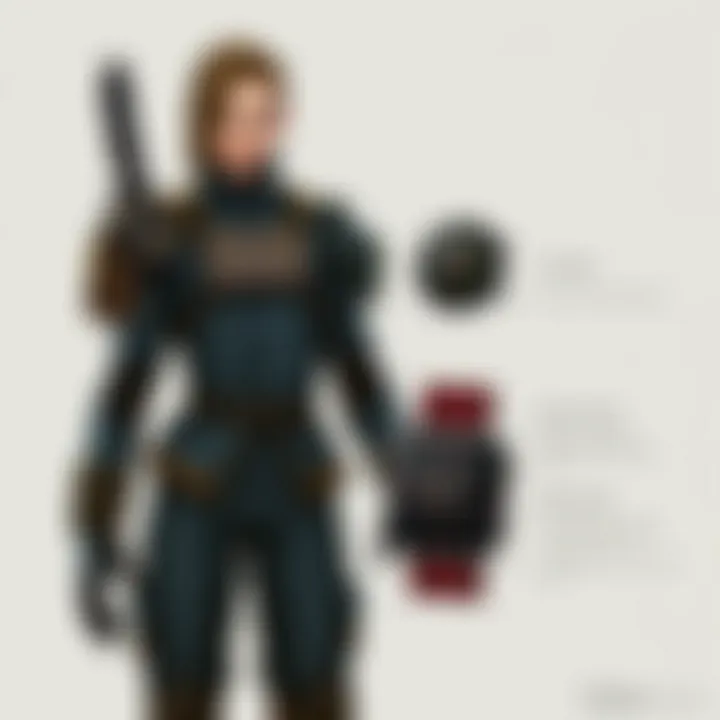
User Interfaces: Pip-Boy vs Galaxy Watch
Delving into the user interfaces of the Pip-Boy and Galaxy Watch showcases how design influences user interaction. The Pip-Boy, designed with a retro-futuristic aesthetic, allows players to navigate myriad options through a simple dial and buttons. It feels tactile, granting a sense of control when managing inventory, health stats, and map navigation. This approach not only adds to the immersive experience of the game but also reflects the gritty, hands-on world of Fallout.
Conversely, Galaxy Watches utilize a modern touchscreen interface, layered with intricate animations and slick icons. Users can swipe, tap, and scroll through features like notifications, health metrics, and even music controls with relative ease. While not boasting the rugged feel of the Pip-Boy, it provides an ergonomic way to engage with technology, emphasizing efficiency and connectivity.
It's not just about looks; the differences in these interfaces serve a higher purpose.
- The Pip-Boy embodies a survivalist ethos, carefully curated to enhance the player's journey through wastelands.
- The Galaxy Watch represents a balancing act, marrying health tracking with social connectivity, reflecting modern lifestyle priorities.
In this way, the interface becomes an extension of the user’s experience, each offering a distinct flavor that resonates with its audience.
Integrative Features
When examining the integrative features of the Pip-Boy and Galaxy Watch, the discussion pivots towards what makes each device stand out in its domain. The Pip-Boy epitomizes utility within the video game format. It's about survival, tracking quests, and maintaining psychological and physical health—all integral to success in the unforgiving world of Fallout.
Galaxy Watches, however, shine through their ability to connect with numerous apps and devices. They allow users to manage daily tasks, health goals, and even control smart home functions with a few taps. This integration is seamless and often vital for those seeking a comprehensive digital life outside of gaming.
To underscore their distinct yet overlapping functionalities:
- Pip-Boy: Focused on immersive gameplay, it integrates in-game elements to assist players in a survival context—whether checking stats, accesssing maps, or monitoring the health of the character.
- Galaxy Watch: It connects daily life with technology, letting users seamlessly interface with notifications, health tracking, and smart devices, thus cultivating a healthier lifestyle through innovation.
Both indeed have a role in shaping the expectations of their respective audiences. The community of Fallout players appreciates the denser, layered functions of the Pip-Boy, while contemporary users of Galaxy Watches often find themselves attracted to the simplicity and familiarity of a fully integrated smartwatch.
"Devices like the Pip-Boy and Galaxy Watch teach us the breadth of functionality we can expect from technology, regardless if we are battling raiders or managing our daily hustle."
This brings us to consider how each device not only fulfills its primary function but also speaks to a larger narrative of what wearable technology can accomplish as it continues to evolve.
Cultural Impact of Pip-Boy
The Pip-Boy is more than just a piece of technology within the Fallout universe; it has transcended its role as a mere in-game accessory to become a cultural touchstone among fans. Its resonance in popular culture is not only significant for players who immerse themselves in the wasteland of Fallout but also reflects broader themes of nostalgia and identity in gaming. The importance of this discussion lies in understanding how a fictional device can shape real-world perceptions and expectations of wearable technology.
Iconic Status Among Fans
Among loyal Fallout enthusiasts, the Pip-Boy is seen as a legendary artifact. This isn't just because it’s functional within the game, but more so due to its distinct aesthetic and its embodiment of a bygone era. Its retro-futuristic design appeals to a specific audience that appreciates the blend of vintage with modern gaming sophistication. For many players, the Pip-Boy is a symbol of survival, adaptability, and triumph over adversity.
- Nostalgic Connection: The Pip-Boy harkens back to an earlier, simpler time. It reminds players of what gaming used to be and evokes memories of adventurous gameplay.
- Collective Identity: Owning a Pip-Boy replica or themed merchandise fosters a sense of community among fans. It serves as a badge of honor, identifying them as part of the Fallout family.
- Artistic Expression: Players often cosplay as characters equipped with Pip-Boys. This trend not only promotes creativity but also reinforces the bond between the community and the lore of the game.
In various gaming expos and conventions, you might spot countless fans proudly exhibiting their Pip-Boy replicas, symbolizing their allegiance to the franchise. This cultural significance elevates the Pip-Boy from a digital tool to a revered icon that represents a connection to the intricate narratives and shared experiences of the Fallout world.
References in Popular Culture
The Pip-Boy has leaked into popular culture in ways that extend beyond the gaming world, acting as both a source of inspiration and commentary. Its design and functionality have informed discussions around actual wearable technology, offering insights into what users desire from such devices in the real world.
- Media Appearances: The Pip-Boy has made guest appearances in various forms of media, including TV shows and other video games, often portrayed as a quirky, yet indispensable gadget. Its visual design is instantly recognizable, even by those who might not actively play Fallout.
- Memes and Merchandise: The rise of meme culture has seen the Pip-Boy featured in various humorous contexts. Merchandise like T-shirts and coffee mugs encapsulates its iconography, making it accessible to audiences well beyond gaming.
- Influence on Technology Design: Wearable devices today borrow elements from the Pip-Boy, particularly in the way information is displayed and how users interact with these technologies. The sleek interface and modular design elements reflect an ambition to combine style and function that Pip-Boy enthusiasts have long cherished.
As the gaming landscape continues to evolve, the Pip-Boy's enduring presence in popular culture underscores the impact of gaming on societal trends and consumer expectations. It exemplifies how something born from fiction can seep into reality, shaping our understanding and integration of technology in daily life.
"The Pip-Boy is not just a piece of software; it's a cultural artifact that mirrors the aspirations and dystopian fears of modern tech users."
With its multifaceted significance—spanning nostalgia, community, and influence— the Pip-Boy remains an integral part of both the Fallout franchise and the larger conversation about wearable technology in our lives.
Functional Design in Wearable Technology
In today's fast-paced world, the functional design of wearable technology plays a pivotal role in enhancing the overall user experience. This concept is especially relevant when examining both the Pip-Boy from the Fallout universe and the sleek Galaxy Watches. Functional design is not merely about aesthetics; it encompasses usability and practicality, ensuring that devices serve their purpose effectively while remaining attractive to the eye.
Integration of Utility and Aesthetics
Striking a balance between utility and aesthetics is crucial for any wearable device. The Pip-Boy, with its retro-futuristic charm, exemplifies how a functional design can also be visually appealing. Its bright green screen and chunky buttons are not just for show; they provide clear, immediate access to critical information for players navigating the wasteland. Players become accustomed to this interface. The nostalgic design complements its function, ensuring that users can easily manage inventory, check stats, and engage with the environment seamlessly.
Galaxy Watches, on the other hand, take a different approach but similarly manage this integration well. These watches boast a modern, minimalist design that appeals to the tech-savvy crowd while packing an array of features such as health tracking and notifications. Users appreciate the sleek look that can be worn in both casual and formal settings. With customizable watch faces, users can choose how they want their timepiece to reflect their personality, all while harnessing the advanced capabilities hidden behind that polished surface.
Some key features that underline this integration include:
- Functionality: Both Pip-Boy and Galaxy Watches prioritize providing easy access to information, whether it's through quick glances or tactile feedback.
- Versatility: Each device serves multiple purposes, enhancing their appeal. For instance, a Galaxy Watch can monitor heart rate while a Pip-Boy tracks various statistics in-game.
- Ergonomics: Comfortable wear improves usability, with both devices designed for ease of use over long periods.
"Design is not just what it looks like and feels like. Design is how it works." - Steve Jobs
User-Centric Design Principles
A successful wearable isn’t just designed for functionality; it must also cater to the needs and preferences of its users. This is where user-centric design principles come into play. The Pip-Boy, in its video game setting, embodies the idea of being tailored specifically to the player’s needs, providing real-time information in a format that feels immersive yet functional. This immersion is key in the Fallout experience, as players often rely heavily on the Pip-Boy to navigate challenges.
With Galaxy Watches, user-centric design involves how users interact with their devices on a daily basis. Designers consider factors such as:


- Intuitive Navigation: Galaxy Watches utilize touchscreen interfaces that are designed for ease of use, allowing users to swipe through apps and manage notifications effortlessly.
- Customization: The ability to customize not just the look of the watch but also the functions it performs is a game changer. Users can set specific health goals or adjust settings to receive alerts that matter to them most.
- Accessibility Features: This includes voice commands and adaptable interfaces, ensuring that the technology is usable by everyone, regardless of their tech-savviness.
Ultimately, the goal of user-centric design is to enhance the personal connection a user has with their technology while maximizing its utility and ensuring convenience.
The Future of Wearable Tech: Insights
The trajectory of wearable technology is not just fascinating; it’s pivotal in reshaping how we interact with our environments, especially as we move deeper into a digital age. The discussion regarding the relationship between the nostalgic Pip-Boy and state-of-the-art Galaxy Watches is central to understanding the evolution of this sector. This exploration shines a light on how past concepts can inform present needs and future developments. With users increasingly seeking devices that marry aesthetics with functionality, the future of wearables promises continual innovation and adaptability.
Trends Shaping Wearables
In recent years, several trends have emerged that are altering the landscape of wearable technology. These trends reflect not just advances in hardware, but also shifts in consumer expectations. Below are some notable elements that are shaping the industry:
- Health and Wellness Tracking: Devices are not merely about timekeeping anymore. Health tracking features are at the forefront, providing users with insights into physical activity, heart rate, sleep patterns, and more. As awareness grows regarding health management, products that deliver comprehensive biosensors are becoming essential.
- Integration of AI: The use of artificial intelligence within wearables allows for predictive analytics and personalization. With algorithms that learn from user behavior, devices can offer tailored recommendations, making the user experience more intuitive.
- Fashion and Customization: A growing interest in personal expression through wearables has resulted in diverse designs and customization options. Users expect their devices to not just function well but also align with their personal style.
- Seamless Connectivity: Enhanced connectivity between devices is vital. The demand for wearables that can easily interact with other smart devices—like phones, tablets, and household appliances—is increasingly high. As such, the integration within the Internet of Things (IoT) realm is becoming a core focus.
- Sustainability: As consumers become more environmentally conscious, the demand for sustainable practices in manufacturing wearable technology grows. Companies are being called upon to incorporate eco-friendly materials and ethical practices into their production lines.
In summary, the trends shaping the future of wearables expose a market in transition, reflecting a blend of technological innovation and user-centric design. By staying attuned to these shifts, manufacturers can better meet the demands of tech-savvy consumers.
Influence of Gaming Technology on Real-World Devices
The interplay between gaming technology and consumer electronics has led to substantial influence on the evolution of wearables. Gaming provides a unique perspective on user engagement; the ways in which it enhances interaction with technology can be observed in how devices are being developed today. Here are some key ways gaming technology impacts wearable designs:
- User Engagement: Games often create immersive experiences, which can translate into wearables designed for user interaction. Today’s devices often incorporate gamification elements to promote fitness or productivity, making mundane tasks feel more engaging.
- Augmented Reality (AR): Advancements in AR, born from gaming, are increasingly being integrated into wearable tech, such as smart glasses or watches that offer interactive experiences. Users can overlay digital information onto their physical world, enriching the way these devices serve practical purposes.
- Performance and Gaming Analytics: Just as players rely on data to improve their skills, wearables are now adopting similar analytics principles. Fitness enthusiasts can use performance metrics similarly to how gamers optimize their gameplay.
- Social Connectivity: Multiplayer games have demonstrated the importance of social interaction, leading to an emphasis on connectivity features in wearables. Wearable devices now allow users to share achievements and maintain social networks, much like gaming communities do.
In summary, the influence of gaming technology on real-world wearable devices is profound and multifaceted. It encourages manufacturers to focus on engagement, interactivity, and community building, ensuring that wearables are not just functional tools but integral parts of users' daily experiences.
Consumer Reception and Expectations
Understanding how consumers perceive and expect products like the Pip-Boy and Galaxy Watch is crucial in today’s competitive technology landscape. Both devices, while originating from vastly different realms—one from deep within a post-apocalyptic world and the other being a stylish piece of modern tech—tap into a common thread of user expectation: functionality meets creativity. The feedback collected from both fan bases reveals not just the emotional attachment they have, but also highlights key aspects that companies should consider in their ongoing evolution of wearable technology.
Feedback from Pip-Boy Enthusiasts
Pip-Boy fans have carved out a unique space in technology appreciation. There’s an unwavering loyalty among players of the Fallout series, who see the Pip-Boy as not simply a tool within the game, but as a cultural artifact that resonates with nostalgia and innovation. Feedback from this community often zeroes in on several elements:
- Aesthetic Value: Many enthusiasts appreciate the retro-futuristic design of the Pip-Boy. Its chunky, bulky appearance makes it an iconic symbol in the gaming world. Fans love to express their admiration for its design during conventions and online communities, often sharing custom-made replicas or modifications.
- Functionality: Users frequently highlight how the Pip-Boy embodies the essential role of a gaming interface, integrating inventory management, quest tracking, and real-time map navigation, all while maintaining a sense of immersion. The ease of use in a chaotic in-game environment has led to earnest discussions about how its functionality could inspire real-world devices.
- Immersion: The emotional connection with the Fallout universe intensifies their experience with the Pip-Boy. Fans recall that using this tool enhances the immersive quality of gameplay, enabling them to feel more involved in the once-barren wasteland.
This strong sense of community and feedback not only helps developers understand what makes the Pip-Boy resonate, it also serves to guide future iterations of similar devices.
Galaxy Watch User Experiences
Galaxy Watch users bring a different set of expectations shaped largely by current technology trends and lifestyle requirements. The Galaxy Watch is often seen as a bridge between traditional wristwatches and cutting-edge tech, appealing to a broad audience thanks to its functionality and design.
- Comprehensive Functionality: Users frequently emphasize the Galaxy Watch’s versatility, featuring fitness tracking, health monitoring, notifications, and customizable watch faces. This omnipotence caters to a lifestyle where being connected and health-conscious is key.
- User Interface: A significant portion of the feedback centers around the intuitive user interface. Customers appreciate how easy it is to navigate through the various apps and features, which fosters a sense of daily utility that aligns perfectly with their busy lives.
- Integration with Ecosystem: The ability to seamlessly integrate with other Samsung devices is mentioned repeatedly. This consideration strengthens the watch's position within consumers’ digital lives, turning it into a central hub rather than a standalone device.
Moreover, Galaxy Watch's adaptability to trends, such as collaboration with fashion brands and introduction of limited editions, further engage users and enrich their experience. This dynamic creates an environment where expectations are continually shifting, urging manufacturers to stay on their toes.
The interplay of feedback from these two distinguished user bases not only showcases their differing preferences but also illuminates a path forward for future technologies.
In summary, whether it’s a Pip-Boy reminding players of adventurous escapades through a desolate world, or a Galaxy Watch keeping modern life in check, consumer reception and expectations drive innovations. Each piece serves its unique purposed, yet both find common ground in utility intertwined with culture.
Ethics and Sustainability in Wearable Tech
The rapid evolution of wearable technology has not only changed how we interact with devices but also brought to light critical discussions around ethics and sustainability. As fans of Fallout and users of Galaxy Watches, it is essential to recognize the implications these devices have on our environment and society. With increasing awareness about consumer impact, delving into the ethics and sustainability within the realm of wearable tech is more than just trendy; it represents a fundamental shift in how we evaluate the devices we choose to integrate into our lives.
Sustainability Considerations
Sustainability in technology concerns how devices impact our planet over their full lifecycle. It urges manufacturers to consider resource extraction, energy consumption, and waste management throughout production, usage, and disposal stages. Devices like the Galaxy Watch, although technologically advanced, can be tied to environmental issues if not managed responsibly.
- Material Selection: The choice of materials used in devices significantly influences their carbon footprints. Many materials used in wearables, such as metals and plastics, have a history of harmful mining practices. As a result, seeking recycled materials or sustainably sourced alternatives becomes crucial.
- Energy Use: The energy consumed to produce and maintain technology matters. Many modern Galaxy Watches employ energy-efficient charging and battery technologies that minimize their power consumption over time. In contrast, fictional tech like the Pip-Boy, while a product of imagination, prompts one to think about the energy resources that would be required to power such a device in reality.
- Disposal and Recycling: Electronics are notorious for creating e-waste. Manufacturers must develop programs to ensure consumers can recycle or properly dispose of their devices. A study found that in 2019, around 53.6 million metric tons of e-waste were generated globally, much of which is improperly discarded, causing grave environmental harm. Companies engaging in take-back programs or offering incentives for returning worn-out devices contribute to a more sustainable ecosystem.
"If tech isn’t built with sustainability in mind, we might just find ourselves living in the kind of world showcased in the Fallout series, where nature struggles to reclaim its place."
Ethical Manufacturing Practices
Ethical manufacturing is about ensuring that the production of wearable devices aligns with social and moral standards that protect workers, communities, and consumers alike. Transparency in the supply chain plays a vital role here.
- Labor Practices: A device like the Galaxy Watch is often made in factories that may have questionable labor practices. There are reports of unsafe working environments in some regions. Ensuring that workers are treated fairly and work in safe conditions is non-negotiable for a responsible company.
- Supply Chain Transparency: Companies should provide insight into their supply chains, revealing where and how components are sourced. A commitment to ethical sourcing reduces the risk of exploiting workers and supports fair trade practices.
- Community Impact: Using local resources or supporting local economies can foster good community relations. By investing in workers and communities, companies can help uplift those who contribute to the tech we appreciate. Large corporations in the tech industry should also look at their impact on global economies and strive to support sustainable growth.
In an era where consumers are becoming more knowledgeable and conscientious, understanding these ethics and sustainability practices shapes buying choices. Recognizing that even the most advanced technology must grapple with its consequences can lead to more informed decisions—driving the industry toward a greener and fairer future.
Closure
In wrapping up our exploration of the Pip-Boy and its modern counterpart, the Galaxy Watch, several key themes emerge. This article serves as a lens into how fictional technology has often laid the groundwork for real-world innovations. By comparing the utility and cultural impact of these devices, we can appreciate the unique relationship between fiction and reality, and how each influences the other in numerous ways.
Summarizing Key Insights
The Pip-Boy, with its rugged charm and in-game functionality, represents a vision of the future where your personal and navigational needs are managed from your wrist. This device not only garners nostalgia among Fallout fans but also illustrates how design can elicit a sense of belonging in a fractured world. Its influence extends beyond the confines of a video game, setting a precedent for products like Samsung's Galaxy Watch.
Contrastingly, the Galaxy Watch embodies modern technology's elegance and versatility. It integrates a plethora of functions within a sleek design, appealing to the tech-savvy crowd who thrive on connectivity and information at their fingertips. Notably, the comparisons point to a larger narrative that both devices tell—not only about their individual usability but also about the societal shifts towards wearables.
Important Elements to Consider:
- Cultural Significance: The Pip-Boy has become an emblematic piece of gaming history, while Galaxy Watches represent modern wearables that capture the essence of today’s tech-driven lives.
- Utility vs. Aesthetics: Where the Pip-Boy prioritizes a utilitarian design reflecting a post-apocalyptic world, Galaxy Watches combine utility with aesthetics, catering to a market deeply invested in personal brand and identity.
- Future Implications: Looking ahead, the blending of features from both devices may shape the trajectory of innovation in wearables. The technologys of gaming could very well set new standards in usability and engagement for real-world devices.
"The intersection of Pip-Boy nostalgia with Galaxy innovation provides a framework for understanding how wearable tech evolves, driven by both consumer desire and cultural narratives.”