Discovering Red Rock Canyon: Nature's Gem near Vegas
Intro
Red Rock Canyon, a geological masterpiece nestled just a stone's throw from the bustling Las Vegas Strip, stands as a testament to nature's formidable artistry. This rugged wonderland boasts vibrant red rock formations, a diverse ecological tapestry, and a multitude of recreational opportunities. It offers visitors not just a fleeting view but a rich immersion into the transformative power of the environment.
As one wanders through the canyon's meandering paths, one can appreciate the layers of history carved into its walls, echoing tales of the region's ancient inhabitants and its modern-day explorers. Beyond its physical beauty, the canyon engages visitors on a narrative level, weaving connections to broader themes found within popular culture, most notably within the Fallout gaming universe. This article will serve as a compass, guiding enthusiasts through the various aspects of Red Rock Canyon—from its geological marvels to the ways in which it resonates with storytelling in the gaming world.
Understanding this unique landscape extends beyond mere aesthetics; it encapsulates a soulful relationship between nature and creativity, a dialogue that reverberates within the post-apocalyptic narratives that have captivated players across generations.
With this backdrop in sight, we step into the heart of the exploration.
Prelims to Red Rock Canyon
Red Rock Canyon, with its stunning vistas and rich geological layers, serves as a vital introduction to the scenic splendor just beyond the bustling lights of Las Vegas. This area beckons to those eager to escape the neon dazzle and immerse themselves in a landscape that tells a different story. As you stand amidst the towering sandstone cliffs, every crevice and ridge appears to whisper tales of ancient Earth, making it a captivating spot for visitors.
Understanding this natural treasure means delving into more than just its striking beauty. Red Rock Canyon is a tapestry woven with threads of ecology, geology, and human history. By exploring its multifaceted aspects, you not only appreciate its dynamics but also its broader significance in our culture and entertainment. This canyon intrigues outdoor enthusiasts, geology buffs, and even avid gamers alike, creating a bridge between nature and the narratives we craft around it.
Geographical Context
Nestled just a short drive from the glitzy Las Vegas Strip, Red Rock Canyon spans over 195,000 acres of desert terrain and encompasses a range of geographical features. The canyon itself is part of the larger Mojave Desert, characterized by striking geological formations and vibrant ecosystems. Here, chaotic ripples of red and tan rock meet a backdrop of brilliant blue skies, presenting a stark, yet beautiful contrast.
The terrain isn’t just aesthetically pleasing; it’s also rich in biodiversity, supporting flora and fauna uniquely adapted to the dry climate. As you navigate the loop road that winds through the park, visitors can witness everything from sprawling woodlands to towering peaks, providing a dizzying display of topography.
However, these extraordinarily breathtaking features arise from a long process of creation. The formations seen today were crafted by thousands of years of erosion and geological activity. For instance, the iconic Calico Hills, made up of brilliant red and orange sandstone, are remnants of a more dynamic geological past that involved both volcanic activity and the rising and falling of ancient seas.
Significance in Popular Culture
Beyond the natural allure, Red Rock Canyon has carved a niche in popular culture, specifically within video gaming and film. Its striking landscapes serve as inspiration for various forms of media, particularly noted in the sprawling wastelands of the Fallout series. In these games, players traverse environments reminiscent of this canyon, encapsulating the rugged beauty and potential peril of the area.
The influence extends to other areas of entertainment as well. Films, TV shows, and even music videos have sought to capture the raw grandeur of this locale, embedding it deeper into the cultural fabric of the region. As such, Red Rock has become more than just a scenic backdrop; it is a symbol of adventure and survival in harsh terrains, striking a chord with audiences who yearn for exploration.
"Nature isn’t a place to visit. It is home." – Gary Snyder
With its rich tapestry of geological wonders and cultural significance, Red Rock Canyon continues to be a destination that draws people in, instilling a sense of adventure while serving as a reminder of the wild beauty and stories etched deeply into the Earth. As you venture further into this guide, expect detailed insights that highlight not just the experiences waiting here but also the broader narratives tied to this captivating landscape.
Geology of Red Rock Canyon
Understanding the geology of Red Rock Canyon is key to appreciate its stunning beauty and the processes that have shaped this remarkable landscape. This region, rich in diverse rock formations and geological history, offers insights that are not only scientifically fascinating but also deeply tied to the overall visitor experience. The various textures, colors, and patterns found here tell a story of millennia, each layer of rock offering clues about the Earth’s past, including periods of volcanic activity, erosion, and deposition.
Unique Rock Formations
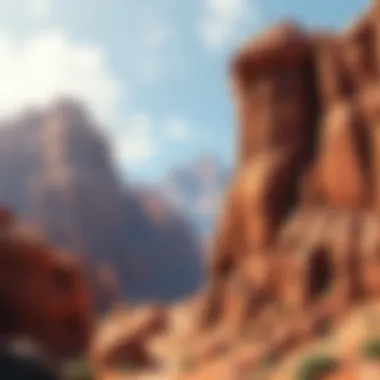
The rock formations in Red Rock Canyon are nothing short of extraordinary. One of the most striking features is the Red Rock itself, primarily composed of sandstone known as the Aztec Sandstone, which stands out due to its rich hues—primarily reds and oranges. This sandstone formed over 180 million years ago when the area was a vast desert landscape. Through time, the processes of wind and water erosion sculpted the rock into dramatic cliffs and unique shapes.
For example, formations like Calico Hills present a beautiful tapestry of colors caused by iron oxide, providing a visual feast for photographers and nature enthusiasts alike. The layered formations also include various tectonic structures due to shifts in the Earth’s crust, creating fascinating geological features like ancient mesas and canyons. These unique formations serve not just as visual markers but also as important indicators of past environmental conditions.
Another fascinating formation is the Kangaroo Pocket, which captivates those who venture off the beaten path. Its smaller, intricate curves and pockets boast different mineral deposits, hinting at the rich geological history and variety often overlooked in more prominent features.
Fossil Evidence of Past Life
Fossil evidence found within Red Rock Canyon further enhances our understanding of the life that once thrived here. The geological layers reveal remnants of ancient plants and animals, offering a glimpse into a time when the region was vastly different. For instance, fossils of dinosaur footprints have been discovered in certain areas, indicating that these majestic creatures roamed here during the Jurassic period. This is critical not only to geology but also to paleontology, connecting the past with the present.
Additionally, marine fossils reflect a time when the vast inland seas covered much of the current landscape. This discovery hints at significant changes in climate and topography over millions of years, underscoring the dynamic nature of Earth's geological processes.
Understanding the fossil evidence in Red Rock Canyon offers not just a glimpse into prehistoric life but also serves as a reminder of the ever-changing face of our planet.
Experts studying these fossil records provide valuable insights into climate changes and environmental shifts that have occurred over geological time scales. Such information is crucial, not only for scientific understanding but also for conservation efforts in preserving this unique ecosystem.
The geology of Red Rock Canyon, with its unique rock formations and fossil evidence, is essential for anyone interested in the natural world and the tales it tells. The intricate interplay of geology, paleontology, and the visual allure ultimately contributes to a rich experience that resonates with adventurers, researchers, and Fallout fans alike.
Flora and Fauna
The essence of any ecosystem is often captured by its flora and fauna. In Red Rock Canyon, this interplay manifests vividly through its unique plant and animal life. The wilderness surrounding this natural treasure serves as a living testament to resilience, adaptation, and the delicate balance of nature. Understanding the flora and fauna here is crucial because it not only highlights the ecological significance of the area but also enriches the overall visitor experience.
Biodiversity Overview
Red Rock Canyon boasts an impressive array of biodiversity that is both surprising and enlightening. The park's varied elevations and distinct microclimates contribute to a habitat that supports over 600 species of plants and animals. Among these, you'll encounter majestic Joshua Trees, which paint the landscape with their otherworldly silhouette, contrasting sharply against the rugged red rocks.
Notably, the diversity is not limited to plants. The canyon houses numerous mammals, birds, reptiles, and insects, some of which are adapted specifically to the harsh desert climate. For instance, the desert tortoise, a true emblem of the Mojave Desert, thrives amidst these unforgiving conditions. This rich tapestry of life offers an opportunity to witness ecological interactions in real-time, making hikes through the area not just a physical journey but an engaging exploration of life itself.
Endemic Species in the Area
Among the flora and fauna of Red Rock Canyon, several species are considered endemic, meaning they are native to this region and not found naturally anywhere else. The presence of these species underscores the ecological uniqueness of the canyon, revealing how the environment has shaped their evolution over time.
One standout example is the Red Rock Canyon blue butterfly. This delicate creature thrives in the specific conditions that the canyon offers, relying heavily on the presence of certain host plants like the Ragged-Edged Leaf. Its lifecycle is tightly woven with the ecosystem, and witnessing it flutter among the blossoms can be a fleeting but beautiful experience for any nature lover. Likewise, Aenigmatic goldfield is another endemic species contributing to the rich plant life, showcasing yellow blooms that delight visitors in the spring.
"The intricate design of life here teaches us about survival and persistence in an unforgiving landscape."
The importance of these endemic species stretches beyond mere aesthetics. They serve as vital indicators of the overall health of the ecosystem, making conservation efforts even more pressing.
In sum, the flora and fauna of Red Rock Canyon act as both a backdrop and a driving force for ecological balance. Understanding this aspect enhances one’s appreciation for the complexity of life in this unique landscape and contributes to the ongoing narrative of preservation and respect for nature. Whether you're a fan of hiking, photography, or simply observing wildlife, the incredible biodiversity here promises experiences that linger long after the visit is over.
Recreational Opportunities
Red Rock Canyon is not just a feast for the eyes; it's a playground for those who love the great outdoors. The recreational opportunities here cater not only to seasoned adventurers but also to casual visitors looking to immerse themselves in the splendor of nature. With a mixture of thrilling activities and serene environments, this canyon stands as a testament to the beauty of Mother Earth and offers various experiences that can captivate any visitor.
Hiking Trails and Difficulty Levels
Walking through Red Rock Canyon is like stepping into a living postcard. The trails, each with its own unique character, provide something for everyone.
- Calico Hills: Known for vibrant red sandstone formations, this trail is moderate in difficulty, making it suitable for families and casual hikers. The colorful rocks tell stories of time and erosion, encouraging everyone to snap a few photos along the way. It's the perfect spot for novices eager to experience the lore of the canyon.
- Ice Box Canyon: For those seeking a challenge, this trail offers a more rugged experience. The hike is steep at times, with rocky terrain and some scrambling involved. However, the reward at the end, a hidden waterfall in the box canyon, is well worth the effort. It acts as a refreshing backdrop where hikers can enjoy a bite to eat and gather thoughts amidst nature's peace.
It's important to check trail signs and conditions before heading out. Weather can play tricks, and certain paths may not always be accessible. Always ensure that your trail choice matches your fitness level and preparedness.
Rock Climbing and Safety Considerations
For the more adventurous, Red Rock Canyon is a mecca for rock climbers. Its towering cliffs and varied rock types provide numerous climbing routes ranging from beginner-friendly to advanced. The key is to approach this exhilarating activity responsibly.
- Climbing Areas: Popular spots like The Gallery and The Sentinel offer routes that are bolstered by breathtaking views. However, they are not without dangers. Ensure you are familiar with your gear and techniques, as safety is paramount. Climbers are encouraged to go with experienced partners or guides, especially if unfamiliar with the area.
- Local Guidelines: Pay heed to areas designated for climbing and observe proper etiquette. Be cautious of your surroundings and respectful to fellow climbers and nature. The desert can be unforgiving, so hydration and sun protection are necessities. It is also wise to familiarize oneself with the park's regulations by visiting Red Rock Canyon's official website.
Photography Insights
Photographers, both amateur and professional, flock to Red Rock Canyon, and it’s no mystery why. The lighting plays a wonderful game with the landscape, particularly at dawn and dusk. The golden hour casts a magical glow, enhancing the red and orange rocks.
- Tip for Photographers: If you're looking to capture stunning images, consider bringing a tripod for those lower light moments. Longer exposures can reveal the beauty of the skies as they transition. Also, experimenting with angles can create depth in shots that otherwise might feel flat.
- Subject Matter: Not only do the sandstone formations serve as fantastic subjects, but the diverse flora and fauna provide a backdrop for a myriad of compositions. Patience is key—wildlife can be elusive, but with a bit of waiting, you might spot a desert tortoise or the bold bighorn sheep.
In summary, Red Rock Canyon offers an array of recreational options that can satisfy everyone from tranquil walkers to adrenaline junkies. The key is to prepare adequately, respect the environment, and take time to enjoy the stunning landscapes that echo the tales of time. Those tales can enhance your experience, enveloping you in the charm and allure of this natural wonder.
Visitor Experience
Understanding the visitor experience at Red Rock Canyon is vital for anyone looking to truly appreciate its splendor. An immersive visit to the canyon goes beyond just viewing the stunning landscapes; it’s about connecting with the environment, understanding its history, and creating memories that last a lifetime. From choosing the best time to visit to utilizing available educational resources, every aspect enhances the journey.
Best Times to Visit
Timing plays a crucial role in your adventure at Red Rock Canyon. The ideal months are typically spring and fall, when the temperatures are more pleasant, making outdoor activities enjoyable.
- Spring (March to May): The desert blooms with vibrant colors, as wildflowers paint the landscape. Visitors can enjoy temperatures between 70°F to 85°F, perfect for hiking and exploring.
- Fall (September to November): Like spring, the weather is generally mild, with temperatures also ranging in a comfortable zone. The picturesque autumn colors offer a different yet equally compelling visual experience.
- Summer: Expect scorching heat, often climbing to over 100°F. If you choose to visit during these months, an early morning or late evening trek is wise to avoid the sweltering sun.
- Winter: Even though it’s cooler, winter brings a unique beauty, with occasional snowfall dusting the canyon’s peaks. The chill may push temperatures below 50°F, so dress warmly if you venture out.
"Timing your visit can turn a good trip into a great one. Don’t overlook the seasons!"
Visitor Centers and Educational Resources
Visitor centers at Red Rock Canyon act as invaluable resources for those seeking to deepen their understanding of the area. The Red Rock Canyon Visitor Center is a great place to start. Here’s what you can find there:
- Informative Exhibits: The center showcases dynamic exhibits detailing the canyon’s geology, flora, and fauna. For those new to ecology, this is a solid starting point.
- Guided Tours: They often offer guided tours which delve into the history and ecology of the canyon, providing insights that self-guided tours might miss.
- Maps and Brochures: Grab a detailed map to navigate the various trails and points of interest. These maps sometimes include hidden gems you might overlook.
- Workshops and Events: Check their schedule for educational workshops or special events, like stargazing nights or guided wildflower walks. Participating in them enriches your experience.
Visiting Red Rock Canyon is more than an outdoor adventure; it's a chance to engage with nature while learning. Utilizing all aspects—from knowing when to visit to taking advantage of visitor resources—ensures a rewarding experience in this natural wonder.
Conservation Efforts
Conservation efforts are essential in preserving the stunning beauty and ecological integrity of Red Rock Canyon. This area, so close to sin city, offers remarkable biodiversity that needs protection amid growing urban pressures. Balancing the needs of nature with those of visitors can seem like walking a tightrope, but when done properly, the benefits can be seen throughout the community and beyond.
Environmental Challenges
Environmental challenges at Red Rock Canyon are a real concern. Urbanization in nearby Las Vegas has led to increased foot traffic, littering, and even off-road vehicle damage. The fragile desert ecosystem, with its unique flora and fauna, must cope with the pressures from this influx.
Some of the main environmental challenges include:
- Invasive Species: Non-native plants and animals can disrupt the local ecosystem, outcompeting native species for resources. This can lead to ecological imbalance and loss of biodiversity.
- Soil Erosion: Increased foot traffic on trails may lead to erosion, damaging the beautiful landscapes and harming the delicate habitats.
- Wildfire Risks: Climate change has made conditions more favorable for wildfires, which can devastate vegetation and wildlife.
Addressing these challenges is not just about immediate action; it's about long-term sustainability. Every individual who visits has a role to play in keeping the canyon safe. A clean canyon is a beautiful canyon, and taking simple steps like following trail guidelines and packing out trash can help immensely.
Community Involvement in Preservation
When it comes to preserving Red Rock Canyon, community involvement can't be emphasized enough. Local organizations, volunteers, schools, and even visitors contribute to making a difference.
Here are some noteworthy ways the community gets involved:
- Adopt-A-Trail Programs: Citizen volunteers can adopt trails, committing to clean them and report any issues they notice, effectively acting as the eyes and ears of the canyon's management team.
- Awareness Campaigns: Local environmental groups often run health campaigns aimed at educating the public about ecological responsibilities when visiting natural sites. Knowledge spreads awareness.
- Collaborative Efforts: Partnerships with organizations like Friends of Red Rock Canyon work collectively on projects aimed at habitat restoration, native plant propagation, and more.
By fostering a sense of stewardship, locals and visitors alike create a culture of respect and care around this natural treasure. The canyon's future rests in these communal hands.
"A community that works together can preserve its treasures for generations to come."
Historical Significance
Red Rock Canyon is not just a feast for natural beauty—its historical significance runs deep, intertwining with the lives of the indigenous peoples and shaping the local history. This section investigates the cultural heritage and local narratives that have emerged over centuries, painting a richer picture of what the canyon represents to various communities.
Cultural Heritage of Indigenous Peoples
The voices of indigenous peoples have echoed through Red Rock Canyon long before it became a destination for modern adventurers. For the Southern Paiute and other Native American tribes, this landscape isn’t merely a backdrop; it’s a repository of cultural stories, spiritual practices, and survival skills. The canyon was seen as more than just rocks and plants; it symbolized life itself, offering both sustenance and inspiration.
These communities relied on the area's natural resources, utilizing the flora for medicinal purposes and the fauna for sustenance. The petroglyphs and rock art scattered throughout the landscape serve as historical records of their presence—a painted history that provides insights into their daily lives, rituals, and connections to the land. The art speaks not just of survival but also of reverence for the natural world.
Visitors today often find themselves captivated by these ancient symbols, contemplating the cultural narratives they represent. It's crucial to recognize this rich heritage as we navigate the trails and vistas; each step taken is laced with history, a reminder that this land is a living story waiting to be acknowledged.
Impact on Local History
The opening of Red Rock Canyon as a protected area has profoundly influenced local history. What once served as a vital resource for indigenous communities evolved alongside the development of Las Vegas. As the city began to transform into the world-renowned entertainment hub it is today, the canyon stood as a stark contrast to the neon lights and bustling city life.
The establishment of the Red Rock Canyon National Conservation Area in 1990 marked a significant moment in preserving not only the natural beauty but also the enduring legacy of the cultural and historical tapestry within the region. This conservation effort has attracted visitors from all walks of life, from families looking for outdoor recreation to researchers studying the ecology and history of the area.
Today, Red Rock Canyon serves as a reminder of the delicate balance between development and preservation. It narrates a dual story: one of resilience among native peoples and another of a rapidly changing landscape that continues to attract people eager to explore its depths. The canyon is a canvas displaying both past and present, and its significance will only grow as we learn to appreciate its history.
Connection to Gaming Culture
The influence of gaming culture on various aspects of modern life cannot be overstated, and one notable intersection is with the natural beauty of locations like Red Rock Canyon. This stunning backdrop doesn’t just serve as a mere setting for outdoor enthusiasts; it also finds itself woven into the fabric of video games, enriching narratives and gameplay. Understanding this connection shines a light on how the heritage of a place can be transformed and reimagined in virtual realms, creating a tapestry of experiences that extends beyond physical boundaries.
Influence on Fallout Universe
The Fallout franchise is known for its post-apocalyptic storytelling, crafting worlds that blend desolation with remnants of the old world. Red Rock Canyon plays a role, both thematically and visually, in these narratives. The deep cuts and stark cliffs evoke a landscape where survival is not just an option but a necessity. For fans, visiting Red Rock becomes a pilgrimage, a chance to step into the world that inspired settings in the games.
- The rugged terrain captures the essence of what a post-collapse world may look like, with striking rock formations that stand as silent witnesses to the chaos of human history.
- Engaging with this real-world locale allows players to tangibly connect to the lore and ethos of their in-game experiences. The atmospheric conditions and lighting found in the canyon often mirror the game’s aesthetic, merging reality with fiction in profound ways.
Key Aspects of Red Rock's Influence:
- Environmental Design: The natural landscape of Red Rock has parallels in the design choices made for Fallout's iconic environments, culminating in immersive experiences that resonate with players.
- Cultural Resonance: The characters and factions in Fallout reflect a critique of society that is echoed in the historical tapestry of the region, showing how culture can remain relevant even in fantastical interpretations.
- Exploration and Discovery: Just as players wander through the wasteland, individuals who explore Red Rock find surprises in the form of geological wonders, adding layers to both experiences.
Exploring Wilderness in Video Game Narratives
Video games often serve as a medium for exploration, offering virtual wilderness for players to traverse. Just like adventurers who hike the diverse trails of Red Rock Canyon, gamers embark on quests that challenge their skills and pique their curiosity. This exploration is not limited to physical landscapes; it extends to emotional and psychological journeys that mirror the trials faced in the wild.
Elements of Wilderness in Gaming:
- Adventure Mechanics: Just as navigating a rocky trail requires strategy, many games incorporate complex environmental interactions that challenge players'Tact and resource management.
- Narrative Depth: Nature's unpredictability can inspire stories within games that reflect moral dilemmas, survival ethics, and individual growth, drawing parallels to experiences in Red Rock.
- Community Engagement: Similar to the way hikers share stories about their adventures, players often engage in discussions about their gaming experiences, creating a sense of community bound by shared narratives.
“Exploration doesn’t end at the edge of a virtual map. It continues in the beauty and unpredictability of the world around us.”
Ultimately, the relationship between Red Rock Canyon and gaming culture illustrates how nature can inform, inspire, and invigorate narratives, enabling a dialogue between the real world and the digital universe. For avid gamers and outdoor lovers alike, Red Rock remains a vital connection, a natural treasure that invites exploration both in-game and in life.
Finale
Summary of Key Points
In summing up the extensive exploration of Red Rock Canyon, it becomes clear that this natural treasure is not just a feast for the eyes but also a cornerstone of ecological and cultural wealth. The geological wonders here tell a history that stretches back millions of years, presenting unique rock formations that have captured the attention of scientists and sightseers alike. The rich tapestry of biodiversity, comprising both endemic species and unique habitats, serves as a reminder of nature's resilience. Additionally, the recreational opportunities are varied; from hiking its sun-kissed trails to rock climbing its crevices, there is a little something for everyone seeking adventure or tranquility.
Furthermore, the canyon's importance stretches beyond mere aesthetics. Its historical significance, woven into the narratives of Indigenous peoples and reflected in its influence on modern gaming culture—especially in the Fallout franchise—adds layers to its identity. Each visit presents an opportunity to connect, learn, and appreciate what Red Rock Canyon offers, not just as a recreational site, but as a cultural landmark.
Future Visions for Red Rock Canyon
Looking ahead, the future of Red Rock Canyon is filled with possibilities. Conservation efforts will remain crucial as the world changes rapidly due to urban expansion and climate shifts. Ongoing environmental initiatives will likely focus on preserving its delicate ecosystems while promoting sustainable tourism practices that balance enjoyment with stewardship. The community's involvement is paramount; it fosters a sense of responsibility among locals and visitors alike.
In terms of cultural significance, greater recognition of Red Rock Canyon's influence on literature and media, such as video games, could open avenues for creative storytelling that celebrates its mythos. Engaging with artists and game developers may lead to innovative visions that present the canyon in new lights, resonating with younger audiences who might see this natural gem not just as a playground but as a narrative landscape.
Ultimately, the hope is that as interest in Red Rock Canyon grows, it won’t just be seen as a stop on the way to Las Vegas, but truly as a destination worthy of exploration, reflection, and respect. The challenge will be balancing access and conservation, ensuring that visitors can appreciate this striking locale, keeping its integrity intact for future generations.
"In the end, nature holds the true stories of our past and the potential for our future."
For more insights, you can visit:
National Park Service
Wikipedia on Red Rock Canyon
Reddit discussion on Red Rock Canyon Adventures
As we close the chapter on this exploration, it’s vital to remember that Red Rock Canyon is not merely a place; it’s an experience that enriches, inspires, and reconnects us to nature.